
Understanding the Hidden Dangers: From Modern Devices to Lasting Consequences
The proliferation of pocket-sized aerosol devices has introduced a spectrum of public health questions, often centered on vape pens and the broader consequences of e cigarettes. This detailed guide unpacks chemical, physiological, behavioral, social, and environmental effects so readers can make informed choices. It avoids simple slogans and instead offers evidence-based insights, practical guidance, and an overview of risks that are not always visible at first glance. Whether you are a curious adult considering a switch from combustible tobacco or a caregiver worried about adolescent exposure, the sections below are organized to help you quickly locate the topics you care about.
What these modern inhalation devices are and how they work
At their core, many small-format devices heat a liquid—commonly called e-liquid or vape juice—into an aerosol that users inhale. Components vary but typically include a battery, a heating element, and a reservoir for the liquid. The flavors, nicotine strengths, and additives are highly variable. Because of their design, vape pens are easy to conceal, convenient to use, and can deliver nicotine efficiently; these features contribute to both their popularity and their potential for harm.
Key ingredients and why they matter
- Nicotine: an addictive stimulant with cardiovascular and developmental effects.
- Propylene glycol and vegetable glycerin: humectants that create visible aerosol but can degrade into other compounds when heated.
- Flavoring chemicals: often safe to ingest but not well-studied for inhalation safety.
- Volatile organic compounds (VOCs) and carbonyls: including formaldehyde and acetaldehyde, which can form during heating.
These components interact under heat to produce a mixture of particles and gases that can reach deep into the lungs. The result is not simply water vapor; aerosols can deposit small particles, deliver nicotine and other substances, and cause local and systemic biological responses.
Immediate and short-term physiological effects
The acute effects of using devices like vape pens can include throat irritation, coughing, dizziness, and an increased heart rate. Nicotine rapidly stimulates the sympathetic nervous system, which can raise blood pressure and heart rate even in young, otherwise healthy individuals. Some users report headaches, nausea, and shortness of breath shortly after use. In certain conditions, faulty batteries or improper charging can also lead to device malfunctions and burns.
Respiratory responses
Inhaled aerosols can activate airway inflammation, exacerbate asthma symptoms, and reduce lung function in susceptible people. Early studies indicate a measurable change in markers of inflammation and oxidative stress after short-term exposure, particularly among non-smokers who begin using these devices.
Addiction and behavioral consequences
Nicotine addiction remains one of the most critical and well-documented risks. Young lungs and developing brains are particularly susceptible to the reinforcing properties of nicotine, increasing the risk that casual use becomes habitual. The marketing of fruity or sweet flavors can facilitate repeated experimentation among teenagers, accelerating the pathway from occasional use to dependence. For adult smokers who switch entirely to non-combustible options, some reduction in harm is possible, but complete dependence on nicotine can persist.
Long-term health concerns: what the emerging data suggest

Longitudinal data are still being gathered, but several plausible long-term consequences are already of concern. Chronic use may contribute to:
- Progressive respiratory disease and chronic bronchitic symptoms.
- Cardiovascular strain, including higher risks of arrhythmias and endothelial dysfunction.
- Neurodevelopmental impairment in adolescents and young adults exposed to nicotine during critical periods.
- Potential cancer risks from prolonged inhalation of certain volatile and carbonyl compounds, though risk estimates remain under investigation.
Given the relative novelty of widespread device use, caution is warranted and comparisons to combustible tobacco should not be interpreted as a clean bill of health.
Impact on youth, learning, and social patterns
One of the most concerning patterns has been the dramatic rise in uptake among adolescents and young adults. The combination of social appeal, flavored liquids, and discreet device designs fosters peer-driven diffusion. Beyond addiction, nicotine exposure in adolescence can impair attention, memory, and impulse control. Schools and public health officials increasingly report trends where recreational use transitions into frequent daily use, amplifying public health consequences.
Psychological and social consequences
Regular nicotine exposure can alter mood regulation and increase vulnerability to anxiety and depressive symptoms in certain individuals. Socially, device use can normalize nicotine consumption in groups that historically had lower tobacco use, potentially reversing decades of public health progress. Family dynamics can be affected when caregivers use these products in shared spaces, exposing children to secondhand aerosols and modeling addictive behavior.

Environmental and disposal impacts
Beyond personal health, the lifecycle of these devices introduces environmental concerns. Disposable cartridges, single-use devices, and batteries add to electronic waste streams and can leach heavy metals and chemical residues into soil and water when not properly recycled. The convenience economy of single-use units magnifies waste and complicates responsible disposal efforts.
Device failures and acute safety incidents
Reports of battery failures, explosions, and burns—while uncommon relative to overall usage—underscore mechanical risks. These incidents often stem from use of incompatible chargers, counterfeit batteries, or mechanical damage. Safe charging practices and use of certified equipment can reduce but not eliminate these hazards.
Regulatory, labeling, and quality-control challenges
The pace of product innovation has often outstripped regulation. Label accuracy for nicotine content and ingredient lists has varied across jurisdictions. Inconsistent manufacturing standards and illicit products with undisclosed additives have been linked to acute lung injuries in past outbreaks. Consumers may assume uniform safety standards where none exist, creating an information gap that amplifies the consequences of e cigarettes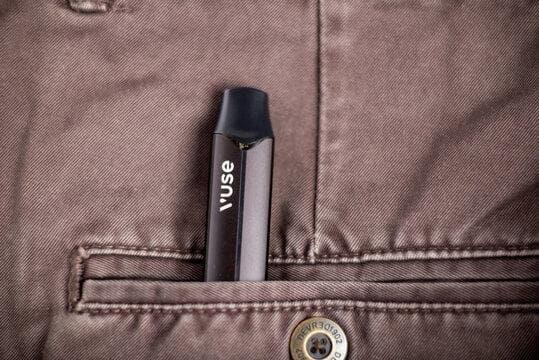 vape pens are risky and the consequences of e cigarettes every user should know” /> in under-regulated markets.
Imported and counterfeit products
Unregulated supply chains can introduce contaminants or higher-than-labeled nicotine concentrations. The presence of illegal additives, pesticides, or adulterants in some black-market products has been correlated with severe respiratory illness outbreaks and unpredictable toxicities.
Harm-reduction context and nuanced messaging
It is important to frame discussion within a harm-reduction perspective. For a long-term cigarette smoker unable to quit by other means, moving away from combustible tobacco to regulated, quality-controlled alternatives can reduce exposure to many combustion-related toxins. However, harm reduction is not harm elimination; residual risks remain and nicotine dependence may persist. Clear, nuanced communication helps adults make informed risk-benefit judgments while minimizing youth uptake.
Practical advice for individuals and families
Clear strategies can reduce immediate and long-term risks:
- Avoid initiation, especially among youth and non-smokers; prevention is the most effective strategy to avoid the long term consequences of e cigarettes.
- If already using, seek products with transparent labeling and avoid illicit sources.
- Develop an exit plan: behavioral support and pharmacotherapies are effective for nicotine cessation.
- Do not charge devices unattended; use manufacturer-recommended chargers and replace damaged batteries.
- Store devices and cartridges away from children and pets to prevent accidental ingestion or exposure.
Support options to quit nicotine
Medical and behavioral supports improve quit success. Nicotine replacement therapy, prescription medications, counseling, and digital cessation programs can be combined for higher rates of sustained abstinence. Healthcare providers can tailor options to personal medical history, prior quit attempts, and preferences.
How to talk to young people
Open, evidence-based conversations about addiction and the chemical realities of aerosols are more effective than punitive-only approaches. Emphasize autonomy, long-term health, and the manipulative tactics of flavored marketing rather than shaming, which can backfire.
How researchers estimate and track risks
Scientists use laboratory studies, population surveillance, case reports, and longitudinal cohorts to build evidence. Biomarkers of exposure, lung function tests, heart rate variability measures, and neurocognitive assessments all contribute to a growing picture. While many unknowns remain, the consistency of signals across disciplines supports a cautious stance on widespread, non-therapeutic use—especially among young people and pregnant individuals.
Public health responses and policy levers
Policies that have shown promise in reducing youth uptake include flavor restrictions, raising purchase age, taxation, plain packaging, point-of-sale restrictions, and strong public education campaigns. Enforcement against illegal product distributors and measures to reduce environmental waste are additional levers.
Conclusion: balancing individual choices and communal responsibility
The advent of pocket-sized aerosol devices has rewritten the equation for nicotine delivery. For smokers seeking to reduce harm, regulated products may play a role under clinical guidance. For non-smokers and young people, the risks—including addiction, respiratory harm, and social consequences—outweigh potential benefits. Understanding the chemical makeup, behavioral drivers, and systemic challenges helps users, families, clinicians, and policymakers make better decisions to limit the consequences of e cigarettes and the harms associated with casual or persistent use of vape pens. Thoughtful regulation, accurate labeling, accessible cessation support, and public education are central to reducing both individual and societal harms.
Quick checklist for safer choices
- Assess why you are using the device—social, stress-relief, nicotine craving—and consider targeted alternatives.
- Verify product labeling and avoid illicit or counterfeit cartridges.
- Keep devices away from youth and pets; never modify or use incompatible chargers.
- Seek medical advice if experiencing chest pain, persistent cough, or unexplained breathlessness.
Resources and where to learn more
Contact local public health authorities, certified quitlines, and trusted healthcare providers for tailored cessation strategies. Peer-reviewed journals and major health organizations publish ongoing updates about both acute incidents and long-term studies examining the consequences of e cigarettes.
If you are seeking alternatives or trying to support someone quitting, prioritize evidence-based supports and avoid unregulated products marketed online without clear ingredient transparency.
FAQ
Q: Are these devices less harmful than traditional combustible cigarettes?
A: For established adult smokers who switch completely from combustible tobacco to regulated non-combustible alternatives, certain harms from combustion (tar, carbon monoxide) are reduced. However, switching does not eliminate nicotine addiction or all toxic exposures; residual risks persist and the long-term consequences of e cigarettes are still being clarified.
Q: Can secondhand aerosol harm others?
A: Yes, secondhand aerosol contains nicotine and other chemicals that can be inhaled by bystanders. While concentrations are lower than mainstream smoke from cigarettes in many settings, enclosed spaces and repeated exposure can raise concerns—especially for children, pregnant people, and those with respiratory disease.
Q: What should I do if a friend or family member wants to quit?
A: Encourage evidence-based cessation resources: counseling, quitlines, approved nicotine replacement therapies, and professional medical advice. Avoid judgment; offer practical support and celebrate small successes.
Q: How can I dispose of devices responsibly?
A: Follow local e-waste guidelines, remove and recycle batteries where accepted, and return cartridges to manufacturer take-back programs if available. Do not discard batteries or cartridges in regular trash when better options exist.